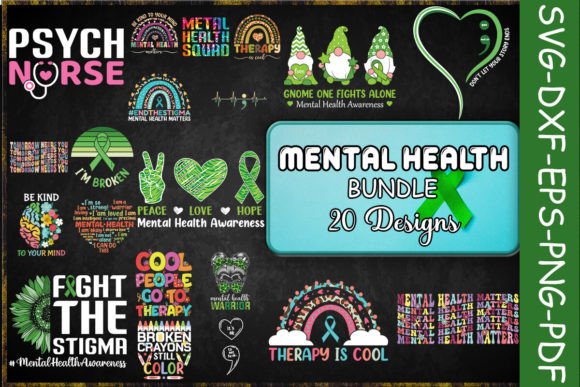
MentalHealth Bundle: A Designer’s Practical Review
As an embroidery designer who has spent years translating digital concepts into thread, I approach every new machine embroidery design collection with a mix of curiosity and skepticism. We have all seen bundles that look stunning on a screen but turn into a tangled mess under the needle. Recently, I evaluated the MentalHealth Bundle, not just as a set of graphics, but as a potential cornerstone for real-world craft projects. This review breaks down how these designs perform when moved from the monitor to the hoop, focusing on practical application for Etsy sellers, boutique owners, and serious hobbyists.
First Impressions and Visual Personality
The first thing that strikes you about the MentalHealth Bundle is its tonal balance. Mental health awareness is a sensitive topic, and bad design can often feel either too clinical or overly chaotic. This collection, however, manages to walk a fine line between advocacy and aesthetic appeal. The phrases included—such as "I m Ok," "I m Broken," "Invisible Illness," and "Be Kind To Your Mind"—are presented with a visual personality that feels modern and approachable.
From a layout perspective, the designs avoid unnecessary clutter. For an embroidery project, this is crucial. Excessive detail in small text-based designs often leads to readability issues once stitched. The clean lines suggest that these files are optimized for clarity, which is essential whether you are creating a subtle embroidered patch or a bold statement on a sweatshirt. The inclusion of "Funny" elements alongside serious messages like "End The Stigma" and "Mental Health Matters" adds versatility, allowing creators to cater to different customer moods without compromising professionalism.
Real-World Application: Beyond the Screen
To truly test the viability of any embroidery file, I imagine it in specific product scenarios. I recently considered using one of these designs for a custom tote bag order. Tote bags are a staple for small shop products, but they present challenges due to the woven texture of canvas. The MentalHealth Bundle designs, with their relatively open spacing and clear typography, would likely hold up well here. A satin stitch border around a phrase like "Be Kind To Your Mind" could provide the necessary definition against the rough fabric texture.
Another strong use case is custom apparel, specifically sweatshirt embroidery. When working with fleece or heavy cotton blends, stitch density becomes a critical factor. If the design is too dense, it can cause puckering; if too light, it gets lost in the nap of the fabric. Based on the visual weight of the PNG 300 DPI previews, these designs appear balanced enough to sit comfortably on thicker garments without requiring excessive underlay stabilization tricks. For baby embroidery, the softer messages in the bundle could work beautifully on onesies, provided you scale them down appropriately and use a gentle running stitch or light fill stitch to maintain comfort against sensitive skin.
Navigating Technical Challenges
While the aesthetic is strong, experienced designers know that execution is everything. There are specific situations where you should use caution with this bundle. For instance, curved surfaces like caps require careful digitizing. If you plan to use these designs for hat embroidery, ensure you check the stitch direction. Text that curves naturally with the cap’s structure looks professional, while straight text on a curved panel can distort visually.
Small hoop sizes also demand attention. Phrases like "Invisible Illness" contain longer words that may need scaling down for a 4x4 inch hoop. When reducing size, watch out for tiny lettering becoming illegible. I always recommend testing the design on scrap fabric first, especially when working with dark fabric or stretchy materials. On dark fabrics, thread color contrast is vital. A light thread on a black hoodie can pop beautifully, but if the stitch density is too low, the background might show through gaps. Conversely, on light fabrics, ensure your thread colors are vibrant enough to stand out without looking washed out.
Layered garments and textured fabrics also pose risks. If you are embroidering over a seam or a thick pocket, the hoop stability changes. Always use proper stabilizer—cut-away for stretchy knits and tear-away for stable wovens—to prevent distortion. The MentalHealth Bundle includes SVG, DXF, EPS, and PDF formats, which is helpful for hybrid projects. For example, you might use the SVG for a vinyl heat transfer layer combined with embroidery, creating a mixed-media effect that enhances the finished product’s value.
Commercial Value and Brand Consistency
For Etsy sellers and creative entrepreneurs, the commercial viability of a design is paramount. The themes in this bundle—mental health awareness, self-care, and stigma reduction—are evergreen topics with high buyer engagement. Customers are increasingly seeking handmade products that reflect their values. A well-executed embroidered pillow cover or kitchen towel featuring "Mental Health Matters" can serve as both decor and a conversation starter, increasing the giftability of the item.
However, professionalism is key. Sloppy stitching on a sensitive topic can damage brand consistency and customer trust. Before listing these as digital embroidery files or finished items, inspect the stitch paths. Look for jump stitches that are too long or areas where the thread might bunch up. Creating printable mockups using the included PNGs can help visualize the final look, but nothing replaces a physical test stitch. Compare how the design looks on light versus dark backgrounds to ensure your product photos accurately represent the quality buyers will receive.
Practical Designer Notes
Before diving into production, keep these practical tips in mind:
- Test on Scrap Fabric: Always run a test stitch on the same material you intend to use for the final product. This reveals issues with tension and density early.
- Check Thread Color Contrast: Ensure your thread choices provide enough contrast against the fabric texture to maintain readability.
- Review Stitch Density: Adjust density settings if your machine tends to pull or pucker certain fabrics. Lower density for stretchy fabrics, higher for stable wovens.
- Confirm Hoop Size: Verify that the design fits within your available hoop size without excessive resizing that compromises detail.
- Inspect Small Details: Zoom in on the digital file to check for stray nodes or unclear paths, especially in the SVG and DXF formats.
- Licensing Verification: Although the bundle is marketed for crafts and graphics, always confirm the specific license terms before selling finished items or digital products commercially.
The MentalHealth Bundle offers a thoughtful collection of design assets that resonate with current cultural conversations. By approaching these files with a designer’s eye for detail and a crafter’s respect for material limitations, you can create high-quality, meaningful products. Whether you are making a personalized gift for a friend or stocking your small shop with timely merchandise, these designs provide a solid foundation for creative expression. Just remember, the difference between a good design and a great finished product lies in the preparation, testing, and attention to stitch quality.