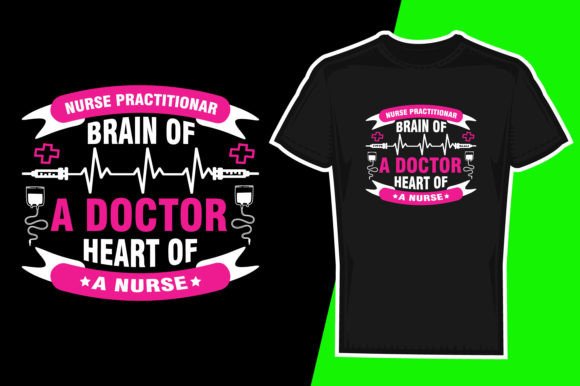
Nurse Practitioner Graphics for Crafts & Blogs
As a digital publisher who has spent years refining the visual identity of content-heavy websites, I approach every new graphic design asset with a critical eye. We are not just decorating pages; we are building trust, guiding attention, and creating a cohesive brand experience. Recently, I evaluated the NURSE PRACTITIONAR BRAIN of a DOCTOR design to determine its viability for real-world editorial use. This is not merely a decorative element; it is a strategic tool for healthcare bloggers, nursing educators, and medical affiliate marketers who need to balance professional authority with human empathy.
The Editorial Mood and Visual Impact
The first impression of this asset is striking because it bridges two distinct emotional territories. The concept—combining the analytical precision of a doctor’s brain with the compassionate care of a nurse’s heart—creates an immediate narrative. For a blog post or digital guide, this sets a tone that is both educational and deeply personal. It feels modern, clean, and intentionally symbolic. Unlike generic medical clipart, this design carries weight. It suggests that the content behind it is thoughtful, well-researched, and patient-centered.
In terms of editorial design, this asset supports niches that require a delicate balance. It works exceptionally well for lifestyle-focused health blogs, nursing student resources, and professional development sites for advanced practice providers. It does not feel overly playful, which preserves credibility, nor is it so sterile that it alienates readers. It sits comfortably in the space where professional expertise meets human connection.
Integrating into Your Publishing Workflow
When I test a new digital download, I look for versatility. The NURSE PRACTITIONAR BRAIN of a DOCTOR excels here because it is delivered as a 100% vector file. This means the scalability is infinite without loss of quality. For a blogger, this translates to seamless integration across multiple platforms. You can use it as a crisp website header graphic, scale it down for a Pinterest pin, or enlarge it for a printable workshop banner.
Here is how I envision using this asset in a real content publishing scenario:
- Featured Images: Place the icon beside bold headline text to create a recognizable brand signature for your nursing category.
- Pinterest Graphics: Use the vector shape as a central focal point on vertical pins, ensuring high contrast against pastel or neutral backgrounds to drive clicks.
- Digital Guides and eBooks: Incorporate the design into chapter headers or cover art for lead magnets focused on clinical decision-making or patient care strategies.
- Newsletter Banners: A simplified version of the graphic can serve as a visual anchor in email campaigns, reinforcing brand identity before the reader even opens the body text.
- Social Media Graphics: Adapt the colors to match your Instagram or LinkedIn aesthetic, using it to highlight quotes about healthcare leadership or empathy in medicine.
Enhancing Content Performance and Brand Identity
Visual hierarchy is crucial for keeping readers engaged. A strong, relevant image stops the scroll. By using a distinctive asset like this, you improve click-through potential because the viewer instantly understands the topic. It signals that the content is specialized for nurse practitioners, filtering for your ideal audience. This specificity builds brand identity. Over time, your readers will associate this visual motif with your unique voice and expertise.
Furthermore, consistent use of high-quality design assets improves reader trust. Sloppy or pixelated graphics suggest sloppy research. Conversely, a polished, vector-based design implies professionalism. When you pair this graphic with clear typography and well-structured articles, you elevate the perceived value of your content marketing efforts. It makes your affiliate links, course promotions, and downloadable resources feel more premium and trustworthy.
Technical Flexibility and File Formats
One of the strongest selling points of this product is its technical readiness. The description notes that color changes are very easy, which is vital for maintaining small business branding consistency. Whether your site uses calming blues, energetic teals, or warm earth tones, you can adapt the asset to fit your palette without needing advanced illustration skills. The inclusion of Ai, EPS, PNG, PDF, and SVG formats ensures compatibility with almost any design software, from Adobe Illustrator to Canva.
For those creating printable design products, such as study planners or clinic wall art, the "ready for print" specification is essential. Vector files ensure that edges remain sharp regardless of the output size. This versatility makes it a valuable addition to your toolkit if you operate in the Crafts or Graphics space, selling physical or digital goods alongside your blog content.
Where to Use It Carefully
While versatile, this asset requires thoughtful placement. Avoid using it on small mobile thumbnails where intricate details might get lost. It is also not suitable for text-heavy layouts where it could compete with readability. In serious corporate medical journals or highly minimalistic design systems, the symbolic nature of the "brain and heart" might feel too illustrative. Always test the contrast. If placed on a busy background, the message gets diluted. Keep the surroundings clean to let the symbol breathe.
Practical Publisher Notes for Implementation
Before launching this asset across your site, follow these steps to ensure optimal performance:
- Test on Multiple Devices: Preview the graphic on desktop, tablet, and mobile screens to ensure it remains legible and impactful at different sizes.
- Check Thumbnail Clarity: Verify that the core elements are distinguishable when scaled down to blog archive or social media preview sizes.
- Typography Pairing: Experiment with different font styles. This graphic pairs well with clean sans-serif fonts for a modern look, or serif fonts for a more traditional, academic feel. Avoid overly decorative script fonts that might clash with the medical theme.
- File Size Optimization: While vectors are lightweight, exported PNGs for web use should be compressed properly to maintain fast page load speeds, which is critical for SEO.
- Licensing Verification: Confirm the commercial license terms. If you are using this for monetized websites, affiliate pages, or paid content products, ensure you have the right to use it commercially. This protects your business from legal issues.
In conclusion, the NURSE PRACTITIONAR BRAIN of a DOCTOR is more than just a pretty image. It is a functional creative design element that supports the storytelling needs of healthcare professionals online. By integrating this asset into your web design strategy, you enhance visual communication, strengthen your brand, and create a more engaging experience for your readers. It is a smart investment for anyone serious about professional affiliate marketing or educational content creation in the nursing field.