QMA Life Medical Glitter Sublimation: A Designer’s Take
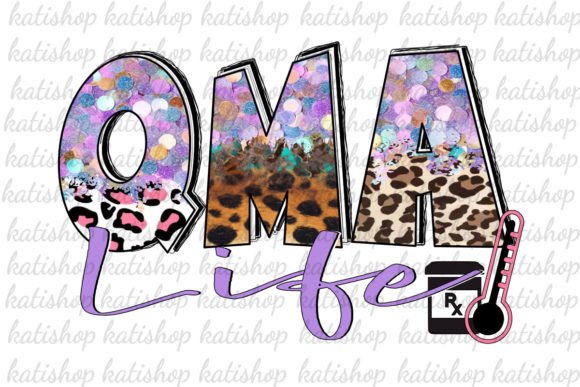
As a designer who has spent years translating digital concepts into thread, I approach every new asset with a mix of curiosity and caution. We often talk about machine embroidery design files, but the reality of modern crafting is hybrid. We use digital graphics for sublimation, vinyl cutting, and as reference layers for complex stitch-outs. Today, I am looking closely at QMA Life Medical Glitter Sublimation. This is not just another clipart file; it is a specific visual tool aimed at the healthcare, wellness, and medical professional niche. Let’s break down how this graphic performs when we move from screen to fabric.
First Impressions: Visual Mood and Layout
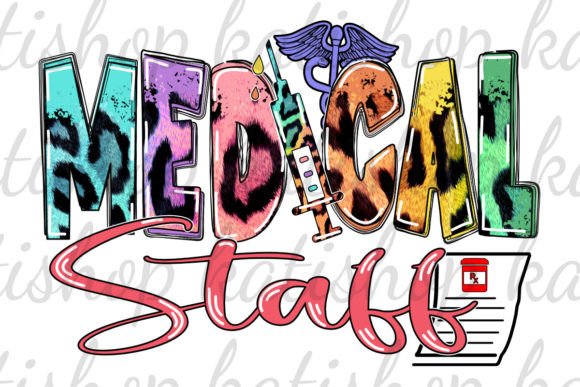
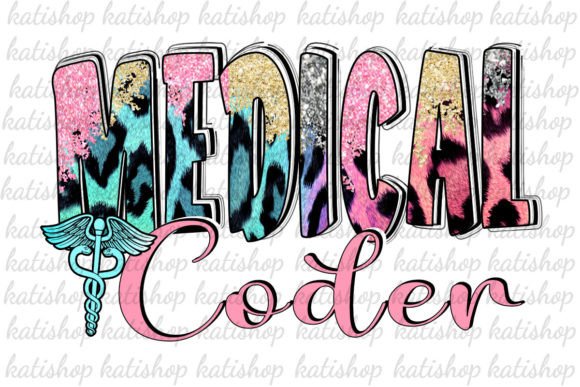
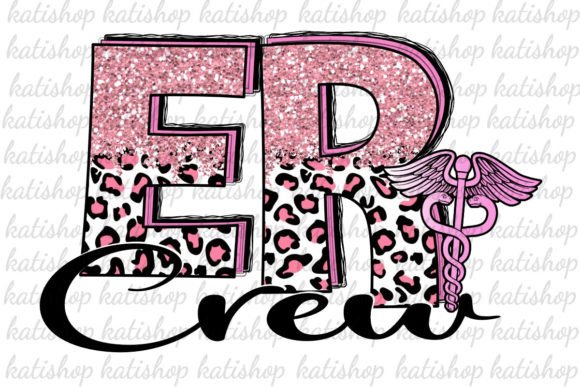
The first thing that strikes me about QMA Life Medical Glitter Sublimation is its intentional aesthetic. The "glitter" effect in a digital PNG format is designed to mimic the sparkle of physical glitter heat transfer or metallic thread without the bulk. For a designer, this means high visual impact with low physical profile. The layout appears clean, focusing on medical symbolism blended with a touch of glamour. It creates a mood that is professional yet celebratory, perfect for nurses, doctors, or medical students who want to express pride in their profession without wearing standard, sterile uniforms.
The detail level is crucial here. Since this is a Graphics product within the Crafts category, the resolution matters. The file arrives as a 300 DPI PNG. In my experience, 300 DPI is the gold standard for sublimation printing. It ensures that when you print this onto sublimation paper and press it onto polyester blends, the edges remain crisp. There is no pixelation, which is vital for maintaining a premium look on a handmade product.
Real-World Application: The Custom Tote Scenario
To truly evaluate a design, I imagine it in a real project. Let’s say I am preparing a custom order for a group of nursing graduates. They want matching tote bag design items for their clinical rotations. Using QMA Life Medical Glitter Sublimation on a white polyester canvas tote is straightforward. The glitter effect pops against the light background, giving the bag a boutique feel rather than a mass-produced look.
However, if I were adapting this concept for sweatshirt embroidery, the approach changes. While this specific file is a PNG for sublimation, I might use it as a visual guide to create a digitized embroidery file. I would look at the shapes in the graphic and decide where to use satin stitch for borders and fill stitch for larger areas. The glitter effect in the PNG would inspire me to use metallic threads in the actual stitching to replicate that shine physically. This cross-over between digital assets and physical stitching is where experienced designers add value.
Fabric Considerations and Stitching Clarity
When using sublimation graphics like this, fabric composition is non-negotiable. Sublimation only bonds with polyester or polymer-coated surfaces. If you try to press this onto 100% cotton, the image will wash out after one cycle. For a personalized gift that needs to last, I recommend poly-cotton blends with at least 60% polyester content. This ensures the thread colors of the printed image remain vibrant.
If you are transitioning this design into an applique design or direct embroidery, consider the stitch density. Medical symbols often have fine lines. If you digitize this yourself, avoid making the stitches too dense, as this can cause puckering on lightweight fabrics. Always use a proper stabilizer—cut-away for stretchy fabrics like jersey tees, and tear-away for stable woven fabrics like apron twill.
Where to Use Caution
Not every project is a good fit. I would hesitate to use this specific glitter-style graphic on dark fabrics unless the PNG includes a white underbase or you are using a specialized sublimation printer with white ink capabilities. Standard sublimation inks are transparent; they do not show up on black or navy blue. For dark garments, consider using the design as a reference for a light-colored embroidered patch instead. You can embroider the design on white felt or twill, cut it out, and then applique it onto the dark garment. This preserves the visibility of the design.
Also, be mindful of curved surfaces. Sublimating onto a cap or a mug requires even pressure and heat. The glitter effect relies on uniform ink distribution. Any wrinkles or uneven pressing will break the illusion of sparkle. For baby embroidery projects, ensure the sublimated area does not come into direct contact with sensitive skin, or choose soft, breathable polyester blends specifically rated for infant wear.
Commercial Value and Brand Consistency
For Etsy seller accounts and small shop owners, consistency is key. QMA Life Medical Glitter Sublimation offers a cohesive look that can help build brand recognition. If you specialize in medical-themed gifts, using this graphic across various products—mugs, pillows, shirts—creates a unified catalog. Customers trust shops that look professional. A high-resolution, well-designed graphic signals that you care about quality.
This asset is particularly useful for creating printable mockup images for your online store. Before you even produce the physical item, you can place the PNG onto product photos to show customers what the final result will look like. This reduces hesitation and increases buyer engagement. It serves as both a production asset and a marketing tool.
Practical Designer Notes
Before you commit to a large batch of commercial embroidery or sublimation orders, follow these steps:
- Test on Scrap Fabric: Always run a test press on the exact fabric blend you plan to use. Check for color accuracy and glitter effect clarity.
- Check Licensing: The product description states you receive a PNG file. Verify if the license allows for commercial use of finished physical goods. Most sublimation graphics allow this, but always confirm before selling.
- Contrast Check: View the design in black and white on your screen. If the details disappear, the contrast may be too low for certain fabrics. Adjust your background choice accordingly.
- Hoop Size Planning: If digitizing for embroidery, ensure the design fits within your standard hoop sizes. A design that is too small may lose detail; too large may require excessive stitching time.
- Wash Testing: Sublimated items are durable, but always wash test a sample. Turn the item inside out and wash in cold water to preserve the vibrancy of the print.
In conclusion, QMA Life Medical Glitter Sublimation is a versatile asset for the modern crafter. It bridges the gap between digital design and tactile product creation. Whether you are making a holiday embroidery gift for a nurse friend or stocking your shop with custom apparel, this graphic provides a solid foundation. Just remember to respect the limitations of sublimation technology and plan your fabric choices wisely. With the right execution, this design can elevate your finished product from simple merchandise to a cherished keepsake.