Reviewing the Messy Bun Nurse Coffee PNG for Stitching
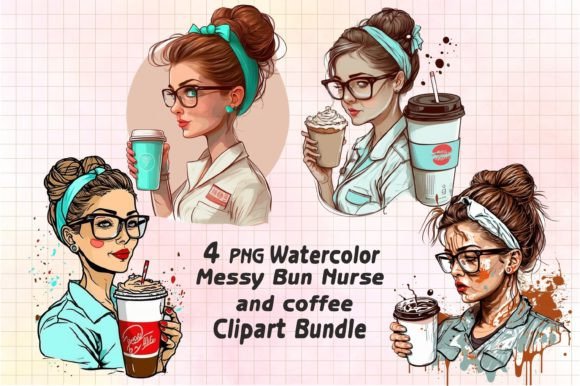
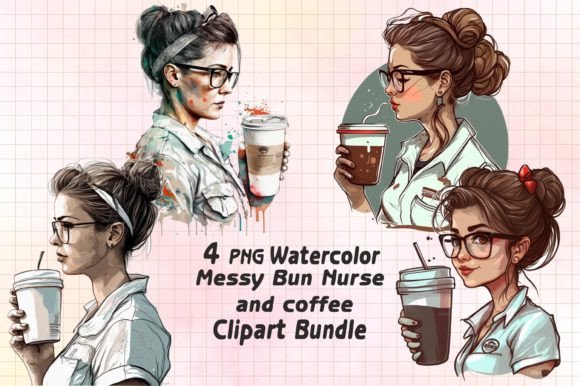
As an embroidery designer who has spent years digitizing files and testing them on everything from crisp poplin to thick fleece, I have learned that a pretty picture does not always make a good stitch-out. When I first encountered the Messy Bun Nurse Drinking Coffee PNG, my initial reaction was one of recognition. This is a staple motif in the nursing community, capturing that universal moment of pre-shift caffeine reliance with a touch of relatable humor. However, moving this concept from a digital graphic into a tangible handmade product requires a critical eye.
The product description highlights that this is a high-resolution file at 300 dpi with a transparent background, suitable for sublimation and resizing. For those of us working in Crafts and digital Graphics, this versatility is appealing. But if you are planning to use this as a reference for a machine embroidery design or converting it for a hybrid applique project, you need to look beyond the pixel count. Let’s break down how this specific aesthetic performs in real-world production scenarios.
Visual Appeal and Project Fit
The charm of the messy bun aesthetic lies in its casual, approachable vibe. It signals comfort and authenticity. When I visualize this design on a sweatshirt embroidery project, it feels right at home. The loose lines of the hair bun contrast nicely with the structured shape of a coffee cup, creating a balanced composition that draws the eye without being overly busy. This makes it an excellent candidate for custom apparel aimed at healthcare workers who want to express their personality outside of strict uniform guidelines.
I recently considered using a similar layout for a custom tote bag design. The key here is scale. Because the original file is a PNG, it is raster-based. If you are using this for sublimation printing on polyester blends, the 300 dpi resolution ensures crisp edges even when resized. However, if you are using this image as a template to create your own embroidery file, you must pay attention to the details. The "messy" strands of hair can easily turn into a tangled mess of thread if not simplified during the digitizing process.
Practical Application in Real Scenarios
Imagine a client requesting a personalized gift for a nurse friend. You decide to create an embroidered patch featuring this design. Patches are forgiving because they allow for dense stitching on a stable backing before being applied to the final garment. In this context, the Messy Bun Nurse Drinking Coffee PNG serves as a perfect visual guide. You can trace the major shapes to create a clean applique design, using fabric to fill the bulk of the bun and coffee cup, which reduces stitch count and prevents puckering.
For direct-to-garment projects, such as a baby embroidery item or a lightweight tee, caution is required. The intricate lines of the hair strands might require fine running stitch work or very narrow satin stitch columns. On stretchy fabrics, these fine details can distort if the stabilizer is not chosen carefully. A cut-away stabilizer is often safer for knit fabrics to ensure the design remains intact after washing.
Navigating Technical Constraints
One of the most common mistakes I see makers make is assuming a high-resolution PNG translates directly to easy embroidery. It does not. When evaluating this design for a commercial embroidery run, consider the following technical hurdles:
- Stitch Density: If you convert the solid areas of the coffee cup or hair into fill stitch regions, ensure the density is appropriate for the fabric. Too dense, and you risk needle breaks; too sparse, and the fabric shows through.
- Small Details: The steam rising from the coffee or the tiny strands of hair may be too small for smaller hoop sizes. If you are working with a 4x4 inch hoop, you may need to simplify the design significantly compared to a 5x7 or larger format.
- Thread Colors: This design relies on contrast. Ensure your thread colors stand out against the fabric. A dark brown thread on a navy blue shirt will get lost. Test your color palette on scrap fabric before committing to the final piece.
Material and Fabric Considerations
The success of any embroidery project depends heavily on the substrate. For this nurse-themed design, textured fabrics like terry cloth towels or waffle-knit aprons can obscure fine details. If you are making kitchen towels or holiday embroidery gifts, consider using a simpler version of the design or increasing the line weight. Conversely, on smooth fabrics like twill caps or denim jackets, the design will pop with clarity.
When working on curved surfaces like caps, the placement is critical. The center front panel offers the most stability. Avoid placing the detailed parts of the messy bun near the seams where the hoop tension might cause distortion. Always test the design on a similar fabric scrap to check for registration issues.
Business and Licensing Insights
For Etsy sellers and small shop owners, understanding the license terms is non-negotiable. The product description mentions SVG files and PNGs, which are typically used for cutting machines or printing. If you are using this image to create a physical embroidered item for sale, you must confirm that the license covers commercial use of finished goods. Many digital assets are licensed for personal use only. Always read the fine print.
If you are creating a printable mockup for your online store, this high-resolution PNG is invaluable. It allows you to showcase what the final embroidered product could look like without having to stitch every sample. This saves time and materials while helping customers visualize the finished product.
Final Designer Notes
Before you launch into production, take these practical steps:
- Test on Scrap: Never skip the test stitch. Use the same fabric and stabilizer combination you plan to use for the final item.
- Check Contrast: View the design in black and white to ensure the shapes are distinct and readable without color cues.
- Simplify for Stitching: If digitizing from the PNG, reduce the number of nodes and smooth out jagged edges to prevent thread breaks.
- Verify Licensing: Confirm whether the asset allows for commercial embroidery sales or if it is restricted to digital crafts.
The Messy Bun Nurse Drinking Coffee PNG is a charming, relevant design that resonates with its target audience. With careful attention to digitizing techniques, fabric choice, and licensing, it can become a standout item in your craft business portfolio. Whether used for a cozy personalized gift or a boutique small shop product, its success lies in the execution. Treat the digital file as a starting point, not the final answer, and let your expertise as a maker bridge the gap between screen and stitch.